

 Post by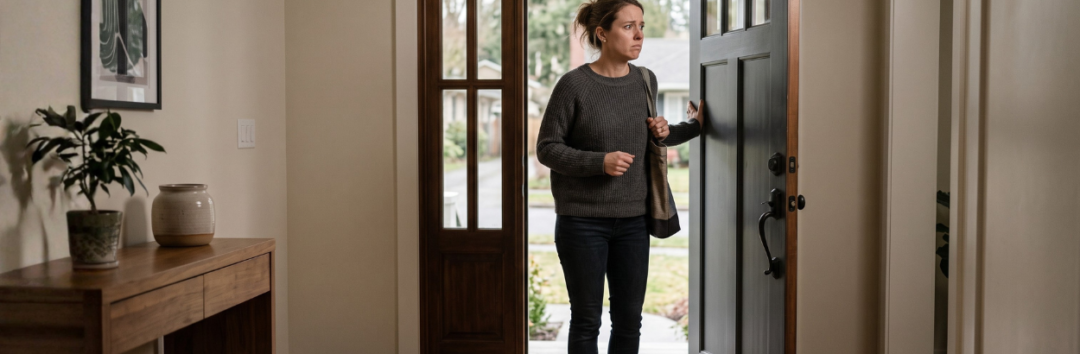
8 Signs of Agoraphobia
Feeling nervous in unfamiliar places or crowded environments is something most people experience from time to time. However, when fear becomes so overwhelming that it prevents someone from leaving home, visiting public places, or participating in everyday activities, it may be a sign of agoraphobia. This anxiety disorder can gradually limit a person’s independence and make even simple daily tasks feel impossible.
Many people misunderstand agoraphobia as simply being afraid to leave the house. While some individuals eventually become homebound, the condition is much more complex. Agoraphobia involves an intense fear of situations where escaping may seem difficult or where help may not be available if anxiety or panic symptoms occur. Because of this fear, people often begin avoiding places that once felt routine, causing their world to become increasingly smaller over time.
Recognizing the signs of agoraphobia early is important because timely treatment can help prevent symptoms from becoming more severe. With professional support, many individuals learn effective coping strategies that allow them to regain confidence and return to activities they enjoy.
At Mental Health 1st, we provide compassionate mental health care for individuals experiencing anxiety disorders, including agoraphobia. Understanding the warning signs is the first step toward finding the right support and improving your quality of life.
Understanding Agoraphobia
Agoraphobia is an anxiety disorder that causes intense fear of being in situations where leaving may feel difficult or where help may not be immediately available if anxiety becomes overwhelming. These situations often include crowded shopping centers, public transportation, large gatherings, open spaces, enclosed areas, or even standing in long lines.
Although panic attacks commonly occur alongside agoraphobia, not everyone with the condition experiences them. The fear often centers on losing control, becoming embarrassed in public, or being unable to escape if symptoms suddenly appear.
As avoidance behaviors increase, everyday activities such as grocery shopping, attending appointments, traveling, or visiting friends may become increasingly difficult. Without treatment, agoraphobia can significantly affect independence, relationships, employment, and overall emotional well-being.
Understanding how this condition develops can make it easier to recognize its symptoms and seek help before it begins interfering with daily life.
Why Agoraphobia Often Goes Undiagnosed
Many adults do not immediately recognize that they are living with agoraphobia. Instead, they may believe they simply dislike crowds, prefer staying home, or have become more cautious over time.
Because avoidance temporarily reduces anxiety, it often feels like an effective solution. Unfortunately, avoiding feared situations usually strengthens anxiety rather than reducing it. Over weeks, months, or even years, individuals may find themselves avoiding more places and activities than they ever expected.
Family members and friends may also misunderstand the condition, assuming the person is being antisocial or uninterested in spending time with others. In reality, the fear experienced with agoraphobia is genuine and can feel overwhelming without professional treatment.
Recognizing these patterns early allows individuals to receive appropriate care before their lives become increasingly restricted.
1. Avoiding Places Where Escape Feels Difficult
One of the most recognizable signs of agoraphobia is avoiding places where leaving quickly may seem challenging.
For many individuals, this includes shopping malls, grocery stores, movie theaters, sporting events, public transportation, elevators, bridges, airports, or crowded streets. The fear is not necessarily related to the location itself but rather the possibility of becoming anxious or experiencing panic symptoms without an easy way to leave.
As avoidance increases, people may begin changing their routines to reduce exposure to these situations. They might shop only during quiet hours, refuse invitations to social events, or avoid traveling altogether.
Although these adjustments may temporarily reduce anxiety, they often reinforce the belief that these places are dangerous, making future visits even more difficult.
2. Feeling Intense Anxiety Before Leaving Home
For some individuals, anxiety begins long before they actually leave the house. Simply thinking about running errands, attending appointments, or traveling somewhere unfamiliar may trigger overwhelming worry.
This anticipatory anxiety often includes racing thoughts, difficulty concentrating, muscle tension, or physical symptoms such as nausea or a rapid heartbeat. Some people repeatedly imagine worst-case scenarios, fearing they may panic, embarrass themselves, or become trapped in situations where help is unavailable.
Because the fear develops before leaving home, many individuals decide to cancel plans altogether. While staying home provides temporary relief, it also reinforces the anxiety cycle and makes future outings feel even more intimidating.
Over time, this pattern can greatly reduce independence and limit opportunities for work, education, and social connection.
3. Fear of Crowded or Busy Public Places
Another one of the most common signs of agoraphobia is feeling overwhelmed in crowded environments. Places filled with people, noise, or activity can trigger intense anxiety because they may seem difficult to leave quickly if panic or distress occurs.
Shopping malls, concerts, sporting events, restaurants, grocery stores, airports, and busy sidewalks are examples of locations that may feel intimidating to someone living with agoraphobia. The concern is often not about the crowd itself but about the fear of becoming trapped, embarrassed, or unable to access help if anxiety suddenly becomes overwhelming.
As a result, individuals may begin avoiding these environments altogether or only visit them during less busy times. While this strategy may provide temporary relief, it often reinforces the fear and makes returning to these places increasingly difficult.
Over time, avoiding public places can limit social interactions, reduce independence, and affect overall quality of life.
4. Needing a Trusted Person to Go Places
Many individuals with agoraphobia feel more comfortable leaving home when accompanied by someone they trust. This person may be a spouse, family member, close friend, or caregiver who provides a sense of safety during situations that would otherwise feel overwhelming.
Having a trusted companion nearby may reduce anxiety because the individual believes help will be available if panic symptoms occur. While emotional support is valuable, becoming completely dependent on another person for routine activities can gradually reduce self-confidence.
Simple tasks such as grocery shopping, attending medical appointments, driving, or walking through a public space may begin to feel impossible without someone else present.
Over time, this dependence can affect both the individual and their loved ones. It may also reinforce the belief that they are unable to manage anxiety independently, making recovery more challenging without professional support.
Learning healthy coping skills through treatment can help individuals gradually rebuild confidence and increase their ability to participate in daily activities on their own.
5. Experiencing Panic Symptoms in Certain Situations
Although not everyone with agoraphobia experiences panic attacks, many people notice intense physical symptoms when they find themselves in situations they fear.
These symptoms may include a rapid heartbeat, sweating, trembling, dizziness, chest tightness, nausea, shortness of breath, or feeling as though they might faint. Some individuals describe a powerful urge to escape immediately because remaining in the situation feels unbearable.
The fear of experiencing these symptoms again often becomes stronger than the symptoms themselves. Instead of focusing on the present moment, individuals may constantly scan their bodies for signs of anxiety, which can increase emotional distress even further.
After one difficult experience, they may begin avoiding similar situations altogether to prevent another episode. Unfortunately, this avoidance often strengthens agoraphobia over time.
Recognizing panic symptoms as part of an anxiety disorder can help individuals understand that effective treatment is available and that these experiences do not have to control their lives.
6. Limiting Everyday Activities
As agoraphobia progresses, people often begin changing their routines to avoid situations that cause anxiety. What starts as avoiding one location may gradually expand to avoiding multiple places, making everyday life increasingly restricted.
Someone who once enjoyed shopping, dining out, attending family gatherings, or traveling may begin declining invitations and staying home more often. Routine responsibilities such as visiting the bank, attending appointments, or running errands can become overwhelming.
These changes usually happen gradually, making them easy to overlook at first. However, over time they can significantly reduce independence and affect both personal and professional responsibilities.
Limiting activities may also prevent individuals from pursuing educational opportunities, career advancement, hobbies, or meaningful relationships. The more life becomes centered around avoiding anxiety, the smaller and more isolated a person’s world may become.
Professional treatment helps individuals gradually return to these activities while developing practical strategies for managing anxiety in healthy ways.
How Agoraphobia Can Affect Daily Life
Agoraphobia extends far beyond avoiding certain places. It can influence nearly every aspect of daily life, including work, relationships, emotional well-being, and physical health.
Many adults struggle to maintain consistent employment because commuting, attending meetings, or working in busy environments feels overwhelming. Others avoid social gatherings, family celebrations, or community events, leading to increased loneliness and isolation.
Relationships may also be affected. Friends and family members may not fully understand why someone repeatedly cancels plans or avoids leaving home. Without recognizing the role of anxiety, loved ones may mistakenly interpret these behaviors as a lack of interest or motivation.
Over time, living with untreated agoraphobia can reduce confidence, increase stress, and contribute to additional mental health concerns such as depression or generalized anxiety.
The encouraging news is that recovery is possible. Early recognition and professional care can help individuals regain independence and improve their overall quality of life.
7. Feeling Trapped Even in Safe Places
One of the more challenging signs of agoraphobia is feeling trapped even in places that most people consider safe. Someone with agoraphobia may know logically that they are not in danger, yet their mind and body react as though they are facing a serious threat.
This feeling can occur in places such as grocery stores, waiting rooms, public transportation, movie theaters, elevators, or even while driving. The concern is often centered on not being able to leave quickly or receive help if anxiety suddenly becomes overwhelming.
Because these fears can feel so intense, individuals may constantly look for exits, choose seats near doors, or avoid situations where leaving might be difficult. Instead of enjoying the moment, much of their attention is focused on planning an escape if anxiety increases.
These behaviors are not a sign of weakness. They are common responses to an anxiety disorder that can be successfully treated with professional support and evidence-based therapies.
8. Becoming Increasingly Homebound
As agoraphobia progresses, some individuals begin spending more and more time at home because it feels like the only place where they can fully relax. Home becomes associated with safety, while the outside world begins to feel unpredictable or threatening.
At first, someone may avoid only a few situations, such as crowded shopping centers or public transportation. Over time, the fear can spread to additional places until even routine activities, like visiting a doctor, attending family gatherings, or walking around the neighborhood, become difficult.
In more severe cases, a person may rarely leave home without assistance or may avoid going outside altogether. This level of isolation can affect emotional well-being, physical health, employment, education, and personal relationships.
Although becoming homebound is one of the more serious signs of agoraphobia, it does not mean recovery is impossible. With the right treatment and ongoing support, many individuals gradually rebuild confidence and regain their independence.
What Causes Agoraphobia?
There is no single cause of agoraphobia. Instead, it usually develops because of a combination of biological, psychological, and environmental factors.
Some people develop agoraphobia after experiencing repeated panic attacks and begin avoiding places where they fear another attack could happen. Others may develop the condition after a traumatic event, a period of chronic stress, or another anxiety disorder.
A family history of anxiety disorders may also increase the likelihood of developing agoraphobia. In addition, certain personality traits, such as being naturally more cautious or sensitive to stress, may contribute to the condition.
Understanding the underlying causes helps mental health professionals create personalized treatment plans that address both the symptoms and the factors contributing to the disorder.
When Should You Seek Professional Help?
Many people delay seeking help because they believe their fears will eventually go away on their own. Others slowly adjust their lives around anxiety without realizing how much it has limited their independence.
If fear of certain places or situations is preventing you from working, attending school, maintaining relationships, completing daily responsibilities, or enjoying activities you once loved, it may be time to speak with a mental health professional.
Seeking help early can prevent symptoms from becoming more severe and reduce the risk of becoming increasingly isolated. A professional evaluation can determine whether agoraphobia or another anxiety disorder is contributing to your symptoms and recommend the most appropriate treatment.
Treatment Options for Agoraphobia
The good news is that agoraphobia is highly treatable. Many people experience significant improvement with evidence-based mental health care and a personalized treatment plan.
Psychotherapy is often one of the most effective treatments for agoraphobia. Cognitive Behavioral Therapy (CBT), in particular, helps individuals identify unhelpful thought patterns, understand how anxiety influences behavior, and gradually develop healthier ways of responding to feared situations.
Some individuals may also benefit from medication management, especially when symptoms are severe or occur alongside other anxiety disorders or depression. Medication decisions should always be made in collaboration with a qualified healthcare provider.
Treatment is tailored to each person’s unique experiences and goals. Recovery often happens gradually, but consistent support and practice can lead to meaningful improvements in confidence, independence, and overall well-being.
Lifestyle Habits That Support Recovery
Professional treatment is most effective when combined with healthy daily habits that support emotional wellness.
Maintaining a consistent sleep schedule, engaging in regular physical activity, eating balanced meals, and limiting excessive caffeine may help reduce overall anxiety levels. Relaxation techniques such as mindfulness, deep breathing exercises, and progressive muscle relaxation can also help calm the body’s stress response.
Staying connected with supportive family members and trusted friends is equally important. Having a strong support system provides encouragement throughout the recovery process and helps reduce feelings of isolation.
Recovery takes time, but small, consistent steps can lead to meaningful progress. Celebrating each achievement, no matter how small it may seem, helps build confidence and encourages continued growth.
Bringing It All Together
Recognizing the signs of agoraphobia is an important step toward improving mental health and regaining independence. While it is normal to occasionally feel uncomfortable in unfamiliar or crowded places, persistent fear that limits your ability to participate in everyday life should not be ignored.
Avoiding situations where escape feels difficult, experiencing intense anxiety before leaving home, fearing crowded places, relying on others for support, experiencing panic symptoms, limiting daily activities, feeling trapped in safe environments, and becoming increasingly homebound are all signs that professional evaluation may be beneficial.
The encouraging news is that agoraphobia is treatable. With early intervention, evidence-based therapy, personalized care, and ongoing support, many individuals learn to manage anxiety effectively and return to the activities that matter most.
At Mental Health 1st, we provide compassionate, individualized care for adults living with anxiety disorders, including agoraphobia. Our team is committed to helping you understand your symptoms, develop practical coping strategies, and move toward greater confidence, independence, and emotional well-being.
Sources
- National Institute of Mental Health (NIMH) – Anxiety Disorders
- Anxiety & Depression Association of America (ADAA) – Agoraphobia
- American Psychological Association – Anxiety Resources
This article is for general educational purposes and does not provide medical advice, diagnosis or treatment. If you are experiencing a life-threatening emergency, call 911. If you or someone you know is having suicidal thoughts or experiencing a mental health crisis in the United States, call or text 988.